
If you've ever hesitated before tossing out an empty Bombay Sapphire bottle, you're not alone. That distinctive blue glass has become something of a design favourite, and more people across Delhi are now turning these bottles into small, striking planters instead of sending them to the recycling bin. A Bombay Sapphire Bottle Planter is a simple idea with a surprisingly big payoff — it takes something that would otherwise be discarded and gives it a second life on a windowsill, balcony ledge, or study table.
This article walks you through what a Bombay Sapphire bottle planter actually is, why it works so well for compact Delhi homes, how to pick or set up one properly, and how to keep the plant inside it healthy. Whether you're considering making one yourself or looking to buy a ready-made version, this should answer the questions you're likely searching for.
What Is a Bombay Sapphire Bottle Planter?
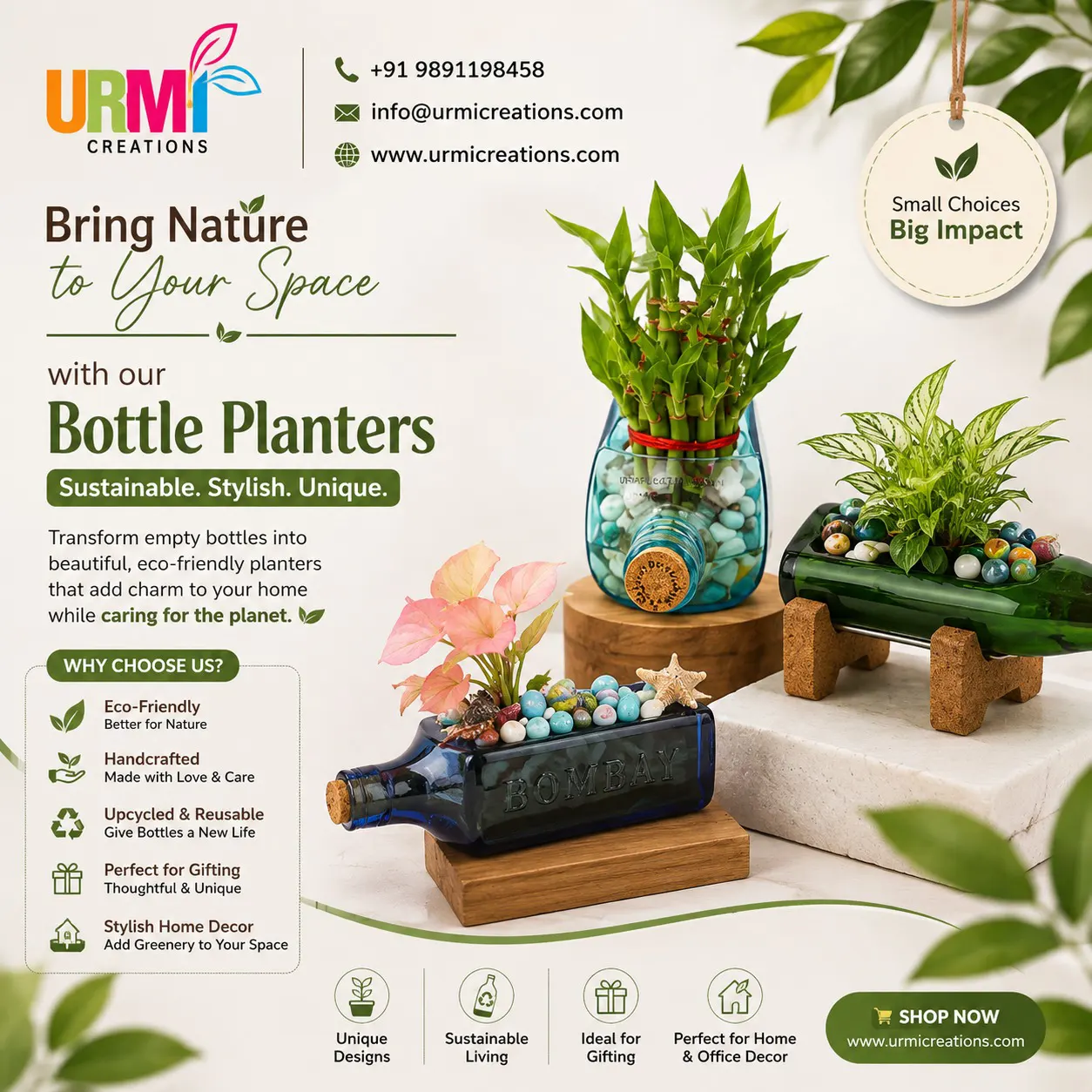
At its core, a Bombay Sapphire bottle planter is exactly what it sounds like — an empty Bombay Sapphire gin bottle, cleaned and repurposed to hold a small plant, usually a trailing or low-maintenance variety that can grow in water or a light soil mix. The bottle's cobalt-blue colour and embossed detailing make it visually interesting even before a plant is added, which is part of why it has become a popular choice among people who enjoy upcycled décor.
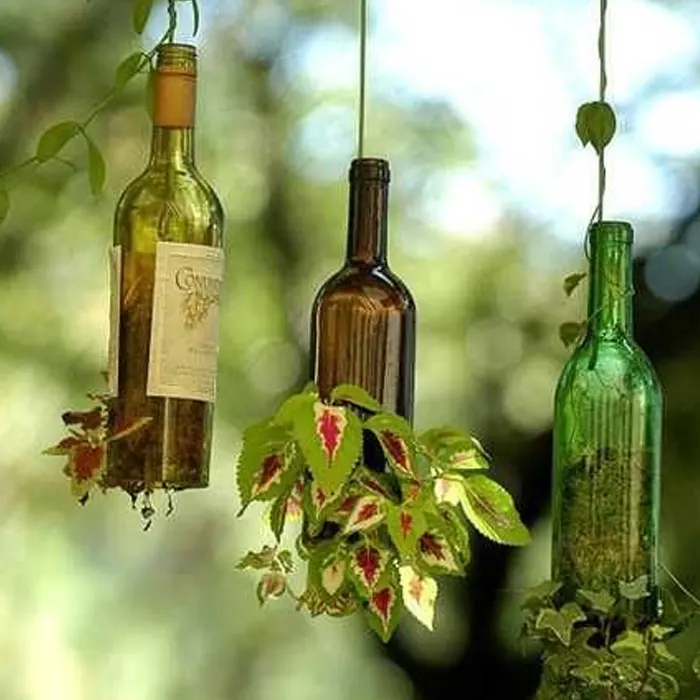
Unlike standard plastic or ceramic pots, a glass bottle planter lets you see the roots and water level, which is genuinely useful if you're growing something like money plant, pothos, or lucky bamboo in water rather than soil. It also means the planter itself becomes part of the display — the glass, the light passing through it, and the greenery all work together rather than the pot simply being a container that disappears into the background.
Why These Planters Work Well for Delhi Homes
Space is often the biggest constraint in Delhi apartments and independent houses alike. Balconies tend to be narrow, window ledges are shallow, and not everyone has room for a full indoor garden. A bottle planter solves this by being compact and self-contained — it doesn't need a saucer, drainage tray, or much floor space, and it sits comfortably on a narrow sill or a study desk.
There's also the seasonal factor. Delhi's summers can be harsh on delicate plants, and many people prefer low-fuss greenery that tolerates some neglect during peak heat. Water-grown plants in a bottle planter are generally easier to monitor — you can see exactly when the water needs topping up — which makes them a practical option for people who travel often or simply don't have time for elaborate plant care.
Beyond practicality, there's a growing interest in home décor that feels personal rather than mass-produced. A Bombay Sapphire bottle planter fits that mood because no two bottles look quite identical once they've been styled, and the idea of reusing something rather than buying a new pot appeals to people who are trying to be a little more mindful about what they bring into their homes.
How to Choose the Right Bombay Sapphire Bottle Planter for Your Space
If you're buying one rather than making it yourself, a few things are worth considering before you decide.
Placement and Light
Where the planter will sit matters more than people expect. A bottle planter near a window with filtered morning light will support a wider range of plants than one placed on a dim bookshelf. If your space gets very little natural light, it's better to choose a plant known to tolerate low light rather than assume any plant will adjust.
Plant Selection
Not every plant suits a narrow-necked bottle. Trailing plants like money plant (pothos) and philodendron are commonly used because their stems can be trained to hang over the bottle's edge, and they root easily in water. Succulents and cacti, on the other hand, are usually better suited to wider-mouthed containers with soil and drainage, so they're not the ideal match for a sealed glass bottle.
Bottle Preparation
If you're repurposing a bottle at home, make sure it's been thoroughly cleaned and any labels are fully removed or intact, depending on the look you want. Some people keep the original label for a more "found object" feel, while others prefer a cleaner, label-free finish. Either way, the bottle should be dry and free of residue before you add water or a cutting.
Styling Ideas With a Bombay Sapphire Bottle Planter
One of the appeal points of this kind of planter is how flexible it is stylistically. A single bottle with a trailing money plant looks understated on a work desk. Grouped in twos or threes at varying heights on a shelf, the same bottles create a small indoor garden effect without taking up much room. Because the glass itself has colour and texture, it also pairs well with neutral surfaces — a plain wooden shelf or a white windowsill tends to let the bottle's blue tone stand out rather than compete with other patterns nearby.
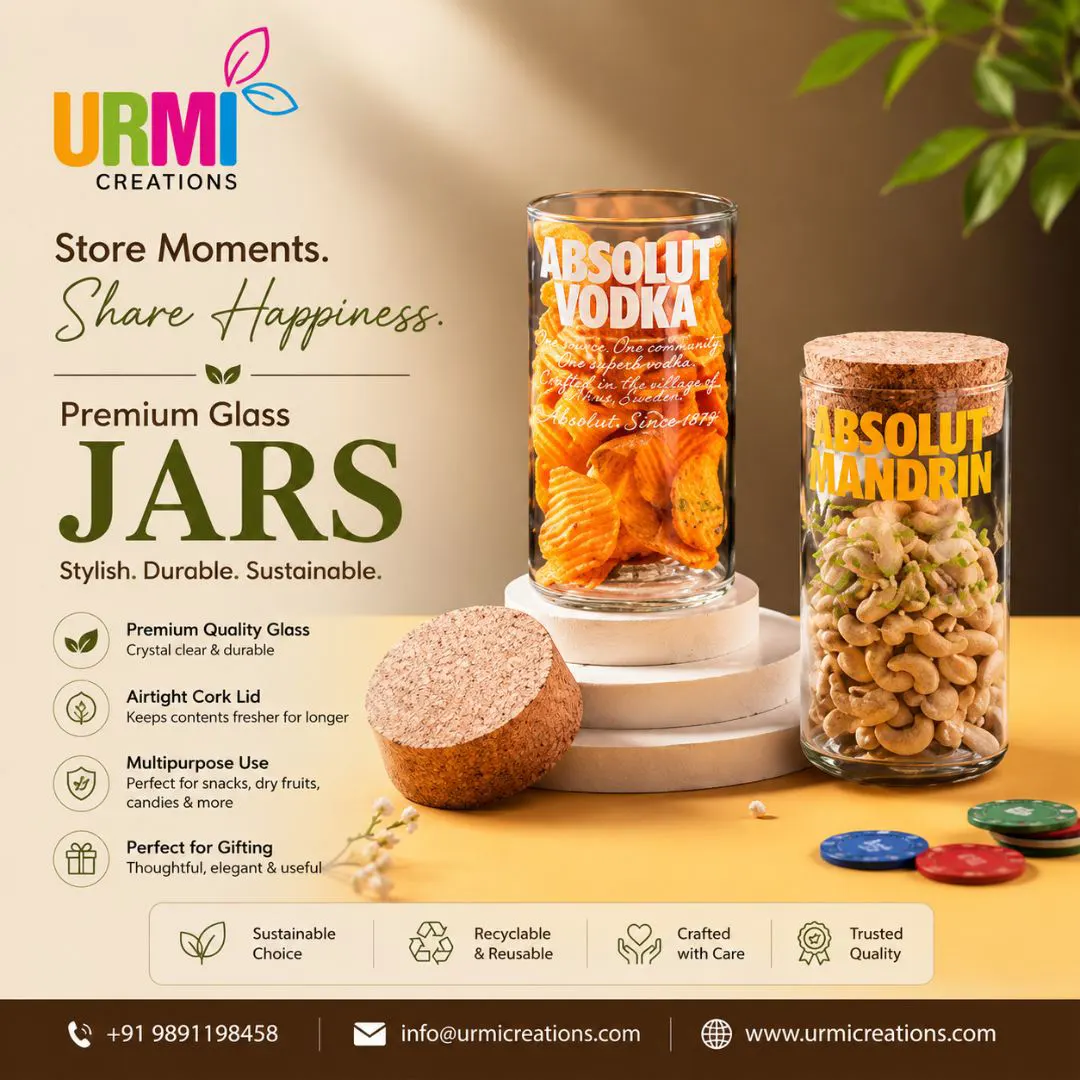
For people who enjoy mixing decor elements, a bottle planter placed alongside candles or a small serving tray can work nicely on a console table, especially if you're going for a layered, lived-in look rather than a sparse one. Urmi Creations' range of glass bottle planters follows a similar idea — taking everyday glass forms and styling them as functional décor pieces rather than purely decorative ones, which is worth exploring if you like this aesthetic but don't have a spare Bombay Sapphire bottle on hand.
Caring for Your Bottle Planter
Maintenance is fairly straightforward if the plant and container are matched correctly. For water-grown plants, change the water every one to two weeks to prevent it from turning cloudy or developing algae, and rinse the inside of the bottle when you do. Keep an eye on root growth — if roots become too dense for the bottle's neck, it may be time to either trim them back or move the plant to a slightly larger container.
Avoid placing the bottle in direct, intense afternoon sun, as glass can concentrate heat and stress the roots. A spot with bright, indirect light usually works best. If you notice yellowing leaves, it's often a sign of either too much direct sun or water that hasn't been changed frequently enough, rather than anything more serious.
Bombay Sapphire Bottle Planters as Gifts
Because they're compact, visually distinct, and don't require an elaborate care routine, bottle planters have also become a popular small gifting option — for housewarmings, desk gifts, or as part of a larger hamper. If you're in Delhi and looking for something a little different from the usual gift basket, pairing a bottle planter with a candle or a small notebook can make for a thoughtful, low-cost combination. Urmi Creations' gift and novelty range includes options along these lines for anyone who wants to put together a small, personalised gift set without starting from scratch.
Conclusion
A Bombay Sapphire bottle planter is a small addition, but it brings a distinct look to a home in a way that's hard to replicate with a standard pot. It suits the space constraints many Delhi homes deal with, works well with low-maintenance plants, and has the added appeal of repurposing something rather than adding new plastic to your shelves. Whether you make one from a bottle you already have or pick up a ready-styled version, it's a simple way to bring a bit of greenery into a small corner of your home.
If you'd like to explore ready-made options or other glass décor pieces that follow the same idea, Urmi Creations' glass bottle planter and glassware collections are worth a look — they're designed for exactly this kind of everyday, functional styling.
FAQs
1. What is a Bombay Sapphire bottle planter?
It's an empty Bombay Sapphire gin bottle repurposed as a small planter, typically used to grow trailing plants like money plant in water.
2. Can I grow any plant in a bottle planter?
Not quite. Trailing plants that root well in water, such as pothos or philodendron, tend to work best. Succulents and plants that need soil and drainage aren't well suited to a sealed glass bottle.
3. How often should I change the water in a bottle planter?
Roughly every one to two weeks, or sooner if the water starts to look cloudy.
4. Does a bottle planter need direct sunlight?
No. Bright, indirect light is usually better, since direct sun can heat the glass and stress the plant's roots.
5. Is a bottle planter suitable for small apartments in Delhi?
Yes, its compact size makes it a practical choice for balconies, window ledges, or desks where space is limited.
6. How do I clean a bottle before turning it into a planter?
Rinse it thoroughly with warm water and, if needed, a mild dish soap solution to remove any residue, then let it dry completely before adding water or soil.
7. Can bottle planters be given as gifts?
Yes, they're a popular small gifting option, especially paired with items like candles or notebooks for a personalised gift set.
8. Why do bottle planters work well with water-grown plants specifically?
The clear or coloured glass lets you monitor root growth and water levels easily, which makes maintenance simpler compared to soil-based pots.
9. Does Urmi Creations offer ready-made glass bottle planters?
Yes, Urmi Creations has a glass bottle planter range designed for everyday home styling, along with related glassware and gifting options.
10. How long do plants typically last in a bottle planter?
With regular water changes and appropriate light, water-grown plants like money plant can thrive for a long time, though eventual repotting may be needed as roots grow.